



You may have heard that stretching before you work out helps prevent injuries. It’s advice handed down in gym classes, locker rooms, and sports practices everywhere. But what if this long-held belief isn’t actually true?
At [solidcore], we believe in training smarter, not just harder. That means digging deeper into what we assume about how to prepare your body for movement. And when it comes to stretching before a workout, the research is clear: static stretching (the kind most people think of when they picture “stretching”) is not the injury-prevention tool it was once believed to be. In fact, it can sometimes hold you back.
Let’s dig into what the studies show, why stretching has gotten such a confusing reputation, and what you should actually be doing before class.
Wondering how long you should stretch before working out? Short answer: It isn’t necessary. Stretching before exercise doesn't prevent injury, and the best time to stretch is after your workout, when your muscles are warm. That's why [solidcore] classes are designed for you to walk in ready to go. Here's where the confusion started…
The myth goes something like this: if you stretch before exercising, you’ll loosen up your muscles and joints, reduce stiffness, and lower your risk of injury. It sounds reasonable, right? Except when researchers started testing this idea, they discovered the opposite.
Multiple studies across sports and fitness settings, from running to weight training, have found no consistent link between pre-exercise stretching and lower injury rates. The injury risk is influenced far more by things like overall conditioning, recovery, and movement quality than by whether you stretch before starting.
So, if stretching doesn’t shield you from injury, what is it actually doing to your body before you move? The answer depends on the type of stretching.
There are two main categories of stretching:
This is what most people imagine when they hear “stretch”: holding a position, like reaching for your toes.
Research shows static stretching can improve flexibility over time if practiced consistently. But right before a workout, it’s not doing you any favors. In fact, static stretching has been shown to:
Static stretching is actually best saved for after your workout, when your muscles are warm and pliable. That’s the perfect time to improve flexibility and aid recovery.
Dynamic stretching, on the other hand, is a different story. Instead of holding a still position, dynamic stretches involve controlled, repeated movements that mimic the activity you’re about to do. Think walking lunges or arm circles.
Dynamic stretching has been proven to:
In other words, dynamic stretching can be performance-enhancing.
Dynamic warm-ups prepare your body the way athletes prepare for a game: by gradually increasing intensity and priming the muscles and nervous system for what’s ahead. When you do movements similar to what you’ll perform in class, your body rehearses the patterns.
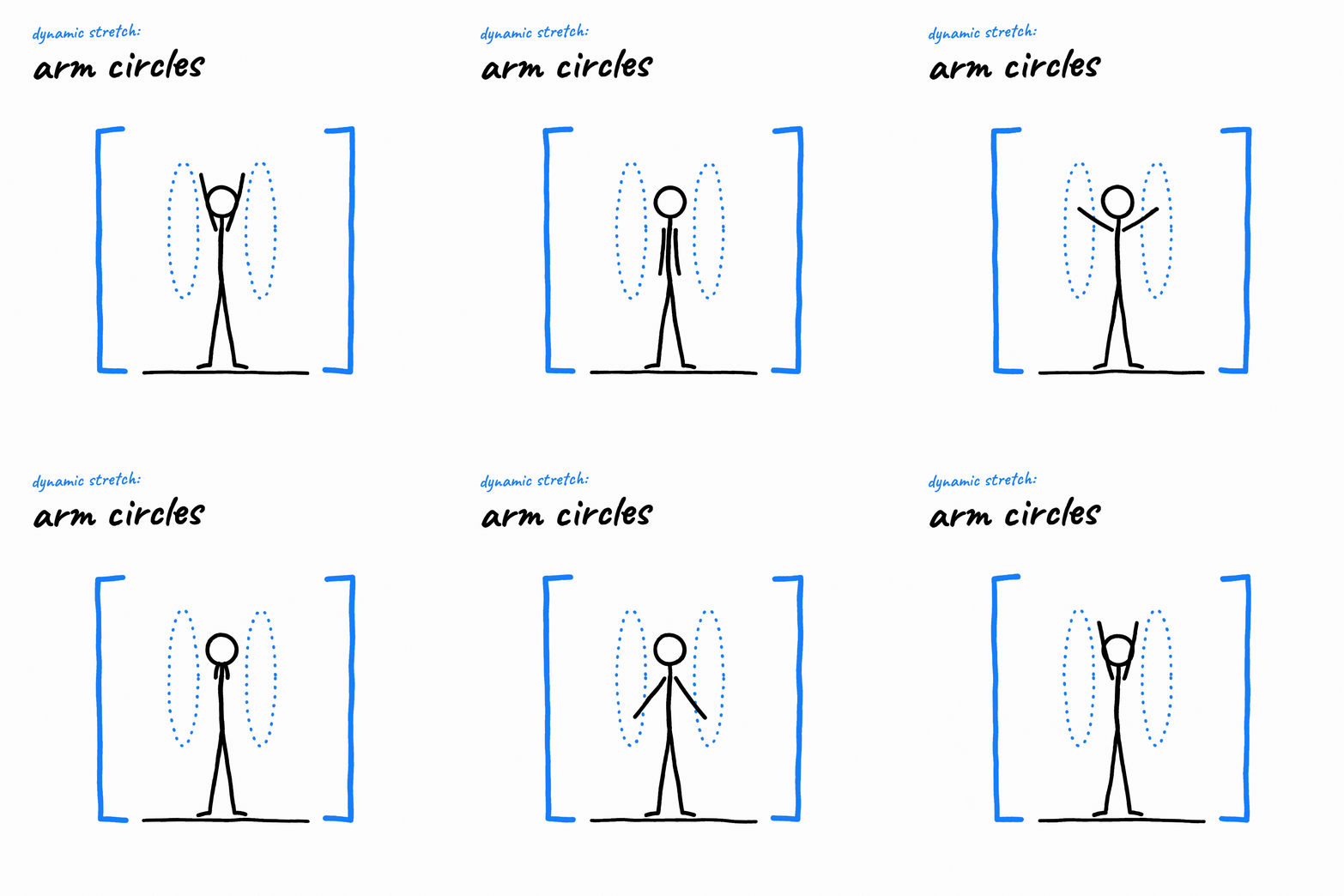
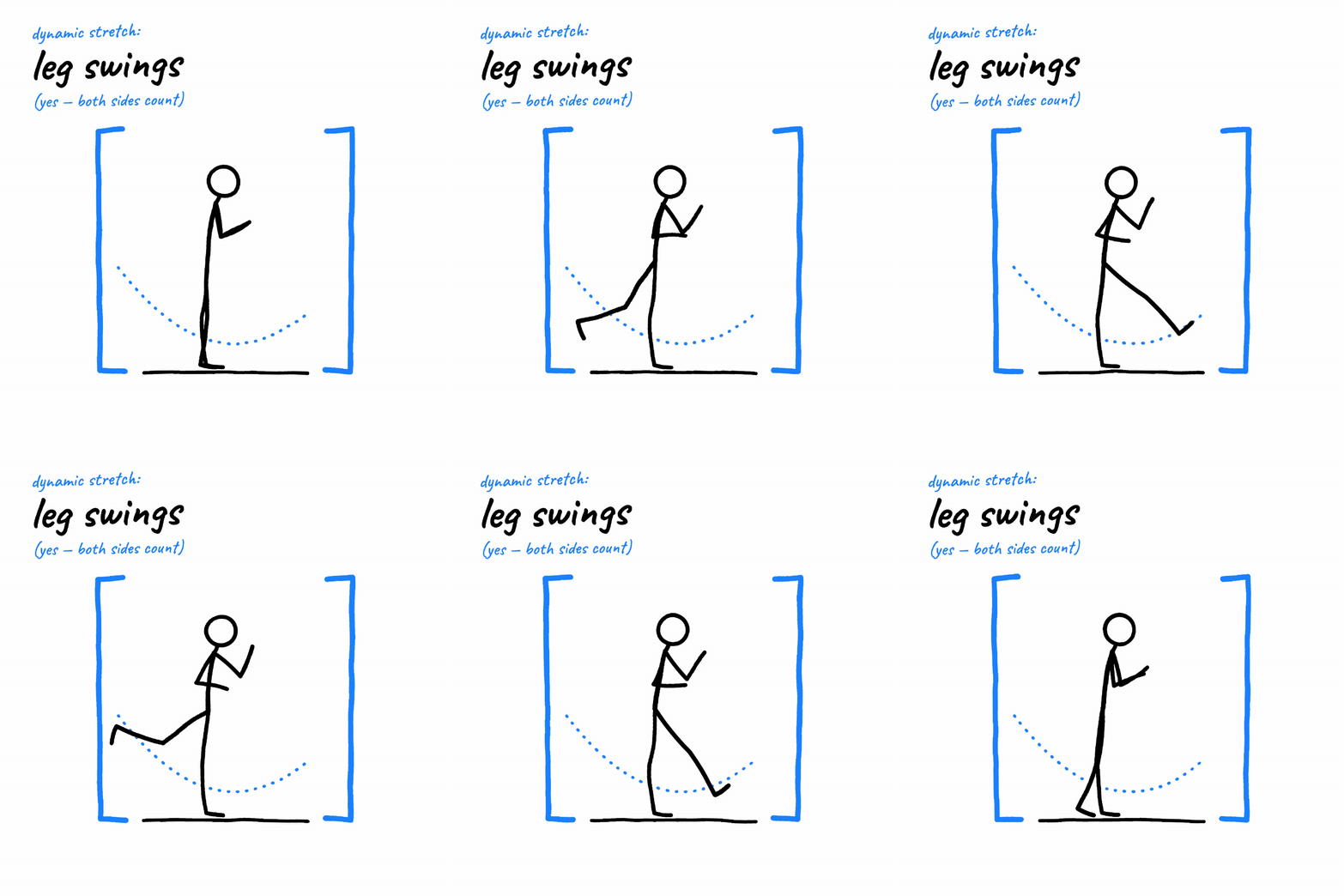
For example, before a [solidcore] class, a dynamic warm-up could include:
By the time you hit your first exercise on the [solidcore] machine, your body is warm, loose, and ready to use its muscles.
So, before your workout, skip the static “holding”-type stretches and opt for dynamic, movement-based warm-ups to activate your muscles.
After your workout, when your muscles are tired, perform static stretching to reduce tightness.
Ready to put this into practice? Book your next class!
Because stretching has been treated as the cure-all of fitness for so long, let’s tackle a few more common misconceptions:
At [solidcore], every class is designed to challenge your muscles safely and effectively. That means:
You don’t need to spend 10 minutes stretching before class to protect yourself (it’s better to save ten minutes afterward to stretch).
What matters most is arriving hydrated, rested, and ready to focus.
If you like to move before class, stick with dynamic stretching that mimics what you’ll do on the machine.
At [solidcore], we’re committed to helping you train smarter with science-backed strategies. Remember: one of the best injury-prevention tools is consistency. Training regularly with proper form builds resilience in your muscles, joints, and connective tissue and will help you more than any stretch.
Ready to feel the difference? Find a [solidcore] studio near you.




 Your Privacy Choices